
Animation Career Guide
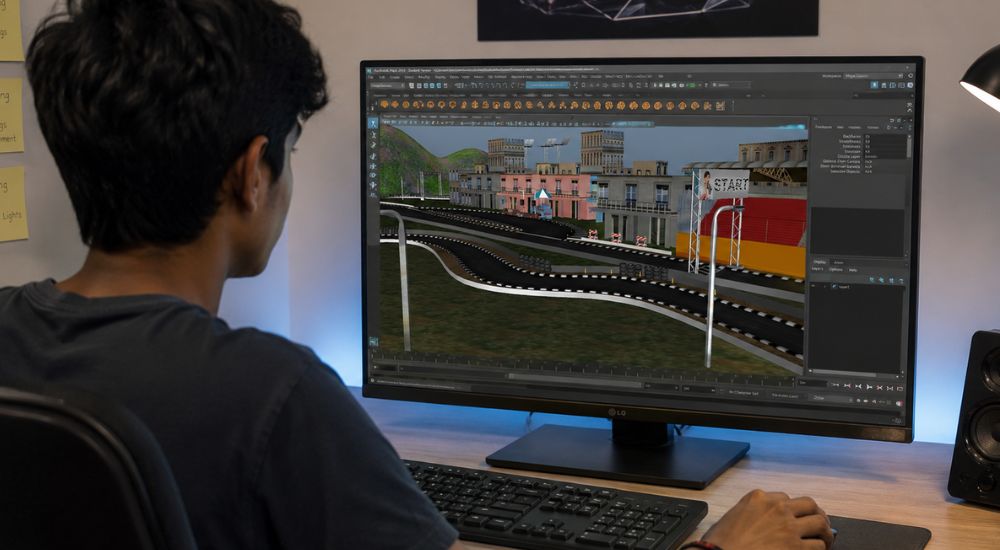
Animation Career Guide
Animation is everywhere. From blockbuster movies and OTT series to mobile games, advertisements, YouTube videos, and educational content, animation has become an essential part of how stories are told and ideas are communicated.
What many people don’t realize is that animation isn’t just about drawing cartoons. It’s a professional industry that blends creativity, storytelling, technology, and design to create engaging visual experiences. As businesses and entertainment platforms continue investing in digital content, the demand for skilled animators is growing rapidly.
If you’re passionate about creativity and wondering whether animation is the right career for you, this Animation Career Guide will help you understand the industry, the skills you’ll need, career opportunities, and how to get started.
What is Animation?
Animation is the process of creating the illusion of movement by displaying a sequence of images or digital frames. Today, animation is produced using advanced software that allows artists to create everything from simple motion graphics to highly realistic 3D characters and visual effects.
Animation is used across many industries, including:
- Film and television
- Gaming
- Advertising
- Digital marketing
- Architecture
- Education
- Healthcare
- Corporate training
- Social media content
Because animation serves so many industries, professionals have a wide range of career paths to choose from.
Why Choose Animation as a Career?
Animation offers a unique combination of creativity and technology. Every project presents an opportunity to solve visual problems, tell stories, and create memorable experiences.
Some reasons why students choose animation include:
- Creative work environment
- Growing demand across industries
- Opportunities to work globally
- Freelancing and remote work options
- Continuous learning and innovation
- Diverse career paths
As digital media continues expanding, animation professionals are becoming valuable assets for companies of every size.
Types of Animation Careers
Animation is a broad industry with several specialized roles.
2D Animator
2D animators create characters, illustrations, and motion graphics used in advertisements, educational videos, and digital media.
3D Animator
These professionals create realistic characters, environments, and animated sequences for films, television, games, and product visualization.
VFX Artist
Visual Effects artists combine live-action footage with digital effects to create scenes that would be impossible to capture in real life.
Motion Graphics Designer
Motion graphics designers create animated graphics, titles, logos, promotional videos, and social media content for businesses and brands.
Game Animator
Game animators design character movements, gameplay animations, and interactive experiences for video games across different platforms.
Character Designer
Character designers develop the appearance, personality, expressions, and visual identity of animated characters before production begins.
Essential Skills for an Animator
Animation is much more than learning software. Employers look for artists who understand movement, storytelling, and visual communication.
Creativity
Every successful animation begins with an original idea. Creative thinking helps animators develop engaging characters, scenes, and storytelling techniques.
Drawing Fundamentals
Even if you specialize in 3D animation, understanding anatomy, perspective, composition, and sketching helps improve the quality of your work.
Storytelling
Animation is about communicating emotions and ideas. Understanding storytelling principles helps create content that connects with audiences.
Observation Skills
Great animators pay close attention to how people, animals, and objects move in the real world. These observations make animated scenes feel natural and believable.
Patience and Attention to Detail
Animation often requires adjusting small movements frame by frame. Attention to detail plays a major role in producing smooth and realistic animations.
Software Used in Animation
Professional animators work with industry-standard software depending on their specialization.
Some of the most commonly used applications include:
- Autodesk Maya
- Blender
- Adobe After Effects
- Adobe Animate
- Toon Boom Harmony
- Cinema 4D
- Adobe Photoshop
- Substance Painter
- ZBrush
Learning these tools helps students become industry-ready and increases their employability.
Industries Hiring Animation Professionals
Animation professionals are no longer limited to movie studios.
Today, they work in:
Entertainment
Film production houses, television studios, and OTT platforms regularly hire animators for animated films, series, and visual effects.
Gaming
Gaming companies require artists for character animation, environment design, cinematic sequences, and gameplay development.
Advertising
Brands use animation to create engaging commercials, promotional videos, product explainers, and social media campaigns.
Education
Educational institutions and e-learning companies use animation to simplify complex concepts through engaging visual content.
Architecture and Real Estate
Architectural visualization firms create animated walkthroughs that help clients experience buildings before construction begins.
Career Opportunities After Learning Animation
Animation offers numerous career options depending on your interests and specialization.
Some popular roles include:
- 2D Animator
- 3D Animator
- VFX Artist
- Motion Graphics Designer
- Character Designer
- Storyboard Artist
- Texture Artist
- Lighting Artist
- Rigging Artist
- Game Artist
- Video Editor
- Multimedia Designer
Many professionals also choose freelance careers, allowing them to work with clients and studios across the world.
Future Scope of Animation
The future of animation continues to expand as technology creates new possibilities.
Several trends are driving industry growth:
OTT Platforms
The growing demand for original digital content has increased opportunities for animation professionals.
Gaming Industry
The global gaming industry continues expanding, creating demand for skilled artists in game development.
Virtual Reality and Augmented Reality
VR and AR experiences rely heavily on animation, opening new career opportunities for creative professionals.
Digital Marketing
Businesses increasingly use animated videos to explain products, promote services, and engage audiences across social media platforms.
Animation is becoming an essential communication tool across industries, making it a promising long-term career choice.
Building a Strong Animation Portfolio
Your portfolio demonstrates your skills more effectively than a resume alone.
A strong portfolio should include:
- Character designs
- Animation exercises
- Short animated films
- Motion graphics
- Storyboards
- Walk cycles
- Modeling projects
- Lighting and rendering samples
- Showreel
Employers often evaluate candidates based on the quality of their portfolio and creative thinking.
Why Learn Animation at Tesra?
At Tesra, students learn animation through a practical, project-based approach that reflects current industry practices. The curriculum covers animation principles, character design, storytelling, digital illustration, 3D production, and industry-standard software.
Students gain hands-on experience by working on creative projects that help them build professional portfolios and develop the confidence needed for real production environments. Guidance from experienced mentors ensures learners understand both the artistic and technical aspects of animation.
Whether you dream of working in films, gaming, advertising, or digital content creation, Tesra provides the practical foundation to help you begin your creative journey.
Conclusion
Animation has evolved into one of the most exciting creative careers in the digital world. It combines imagination, technology, storytelling, and design to create experiences that entertain, educate, and inspire millions of people.
Following the right Animation Career Guide means developing strong creative fundamentals, mastering industry-standard software, and building a portfolio that showcases your abilities. With dedication, continuous learning, and practical experience, animation can become a rewarding career with opportunities across India and around the world.
Categories
- Animation Career (1)
- BIM (1)
- CAD Software Application (1)
- Fashion Design Coure (1)
- Freshers Career Guide (1)
- Interior Design Career (1)
- Mechanical Design Training (1)
- Professional Course (1)