
Fashion Design Trends
Home / Fashion Design Trends
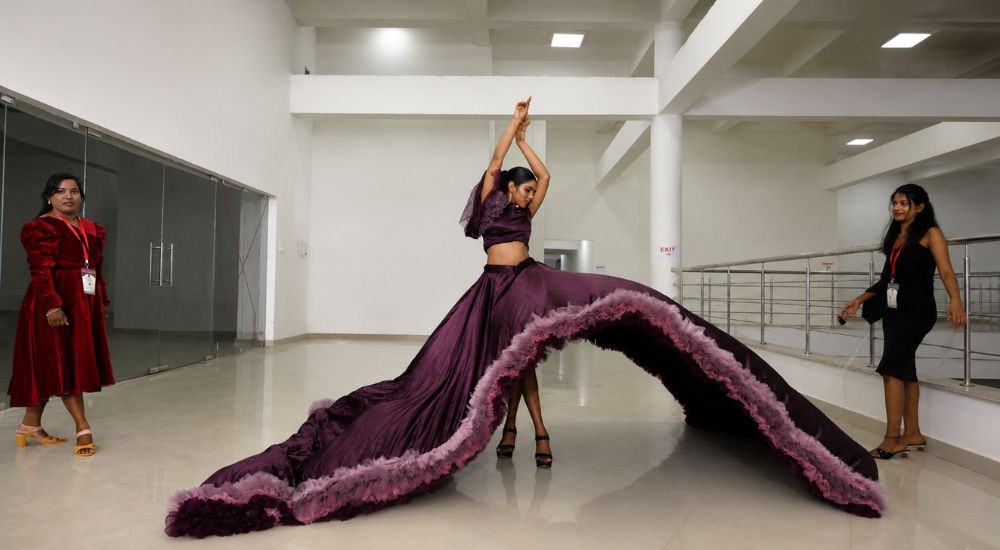
Fashion Design Trends
Fashion is Becoming More Sustainable
Designers are responding by choosing eco-friendly fabrics, reducing waste during production, and creating garments that last longer.
Sustainable fashion includes:
- Organic and natural fabrics
- Recycled textiles
- Zero-waste pattern making
- Ethical manufacturing
- Upcycling old garments
- Slow fashion collections
For future designers, understanding sustainable practices is no longer an advantage. It’s becoming an essential part of professional fashion design.
Technology is Transforming Fashion Design
Some commonly used technologies include:
- Digital fashion illustration
- 3D garment visualization
- CAD software for fashion
- Digital pattern making
- AI-assisted trend forecasting
- Virtual fashion presentations
These tools help designers experiment with ideas before producing physical samples, saving both time and resources.
Personal Style is Replacing Fast Fashion
Consumers today are moving away from buying clothes simply because they’re trending. Instead, they want fashion that reflects their personality, values, and lifestyle.
This has increased the demand for:
- Customized clothing
- Limited edition collections
- Handmade garments
- Designer wear
- Personalized fashion experiences
For aspiring designers, this creates opportunities to build unique brands rather than simply following mainstream trends.
Traditional Craft Meets Modern Fashion
Functional Fashion is Growing
Examples include:
- Multi-purpose clothing
- Travel-friendly apparel
- Athleisure collections
- Smart workwear
- Adaptive clothing
- Functional pockets and modular designs
Designing for real-life needs has become just as important as creating visually appealing garments.
Social Media is Influencing Fashion Faster Than Ever
For designers, this means
Faster Trend Research
Design inspiration is constantly available through global fashion communities.
Strong Personal Branding
Many successful designers build audiences online before launching their own collections.
Digital Portfolios Matter
Fashion students can showcase sketches, garments, styling projects, and runway collections to potential employers and clients worldwide.
Building a professional online presence has become an important part of career growth.
Essential Skills Every Fashion Designer Should Learn
Following trends alone doesn’t make someone a successful designer. Strong technical skills remain the foundation of the profession.
Important skills include:
Fashion Illustration
Communicating design ideas through sketches remains an essential skill.
Pattern Making
Accurate pattern development ensures garments fit properly and can be manufactured efficiently.
Garment Construction
Understanding stitching techniques, fabric behavior, and finishing methods helps designers create high-quality garments.
Textile Knowledge
Every fabric behaves differently. Designers must understand material properties before creating a collection.
Fashion Styling
Presentation plays a major role in how collections are perceived during photoshoots, exhibitions, and runway events.
Fashion Illustration
Communicating design ideas through sketches remains an essential skill.
Design Software
Professional designers increasingly use software for digital illustration, technical drawings, and presentation development.
Career Opportunities in Fashion Design
Fashion offers a wide variety of career paths beyond becoming a clothing designer.
Graduates can work as:
- Fashion Designer
- Fashion Illustrator
- Textile Designer
- Apparel Merchandiser
- Fashion Stylist
- Costume Designer
- Fashion Consultant
- Visual Merchandiser
- Fashion Entrepreneur
- Product Developer
Many professionals also launch their own labels, boutiques, or online fashion brands after gaining industry experience.
Building a Professional Portfolio
A strong portfolio may include:
- Fashion illustrations
- Mood boards
- Fabric exploration
- Pattern development
- Garment construction
- Collection concepts
- Technical drawings
- Fashion photography
- Final garments
Your portfolio reflects your design identity and often becomes the deciding factor during interviews or client presentations.
Why Learn Fashion Design at Tesra?
Conclusion
Categories
- Animation Career (1)
- BIM (1)
- CAD Software Application (1)
- Fashion Design Coure (1)
- Freshers Career Guide (1)
- Interior Design Career (1)
- Mechanical Design Training (1)
- Professional Course (1)